Product Growth
Testing a New Revenue Path for Robotics
Team:
I worked with a single engineer, marketing, and the CEO.
Company:
Realbotix
Timeline:
4 months
Launching the first humanoid robot on TikTok
Problem :
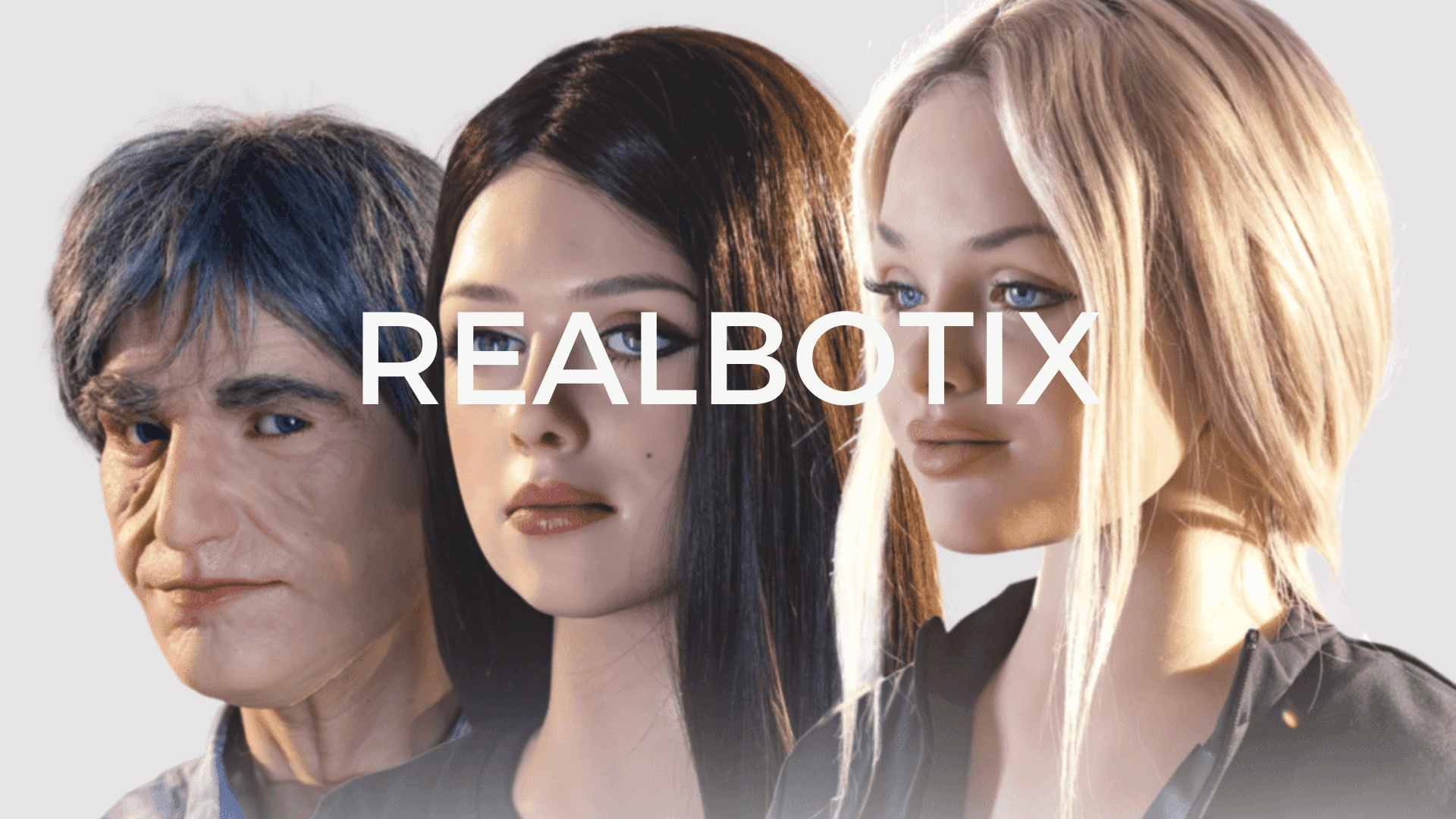
Realbotix was struggling to sell its $20,000 robot heads to businesses and consumers. Meanwhile, the company was spending $500,000 per year on multiple development projects to enhance the robot’s experience, yielding almost no ROI.
Goal :
To find high-impact/low-cost solutions to revenue generation that would be simple to test.
Diagnosis :
Realbotix faced two key challenges: a $500K annual loss on development and limited diversification in managing its nearly $5M robotic portfolio.
Hypothesis :
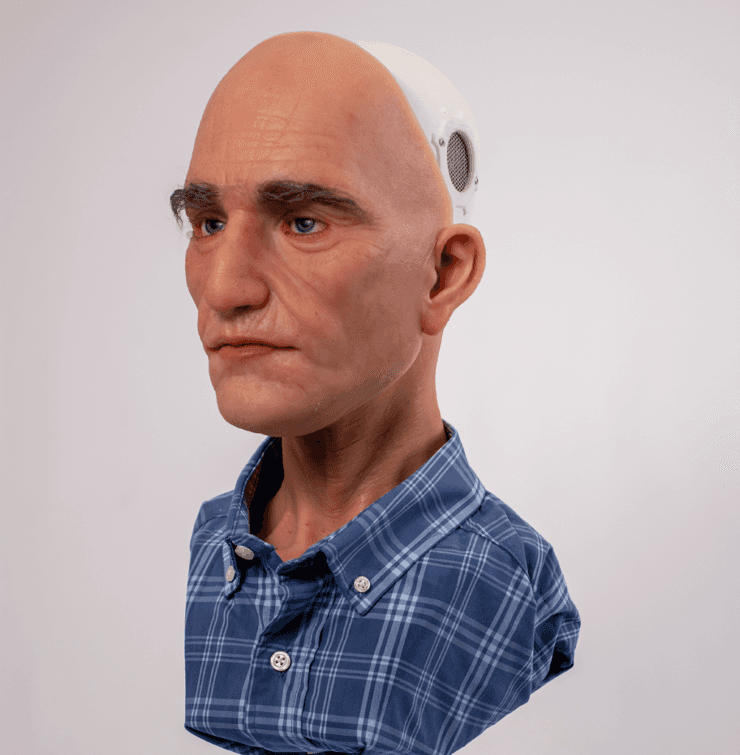
By renegotiating development time and costs, and leveraging our existing robotic portfolio to build a high-impact, low-resource vertical, we can generate revenue beyond direct sales.
Solution :
First, I recommended pausing all further robot development until a project with a clear ROI was identified. Next, I proposed launching the company’s first humanoid robot on TikTok, aiming to reach 20,000 followers by year-end and begin monetization once we hit 10,000.
Partners :
I worked closely with a Robotic Engineer, Marketing, UX Research, and the CEO.
Process :
Pitched pausing all robot development to the CEO and partner, reaching consensus after multiple sessions to halt spending until future projects could demonstrate clear ROI.
Presented the idea of leveraging the existing robotic portfolio on social media, starting with a single humanoid robot.
Requested a $15,000 investment to hire marketing, research, and social media consultants to refine and validate the concept.
Developed a comprehensive proposal, including a detailed revenue plan, metrics, and timeline.
Upon approval, executed a two-month production plan focused on content creation and management, targeting 20,000 followers within four months.
Crafted the social media content strategy, defining the robot’s persona and storyline to engage and grow the audience.
Launched a consistent posting schedule: a minimum of three videos per week, each under three minutes.
Testing :
We spent the first two weeks testing out different looks, angles, and ways of filming and telling the robots story, keeping track of what content performed well and what didn’t.
Outcome :
Stats breakdown:
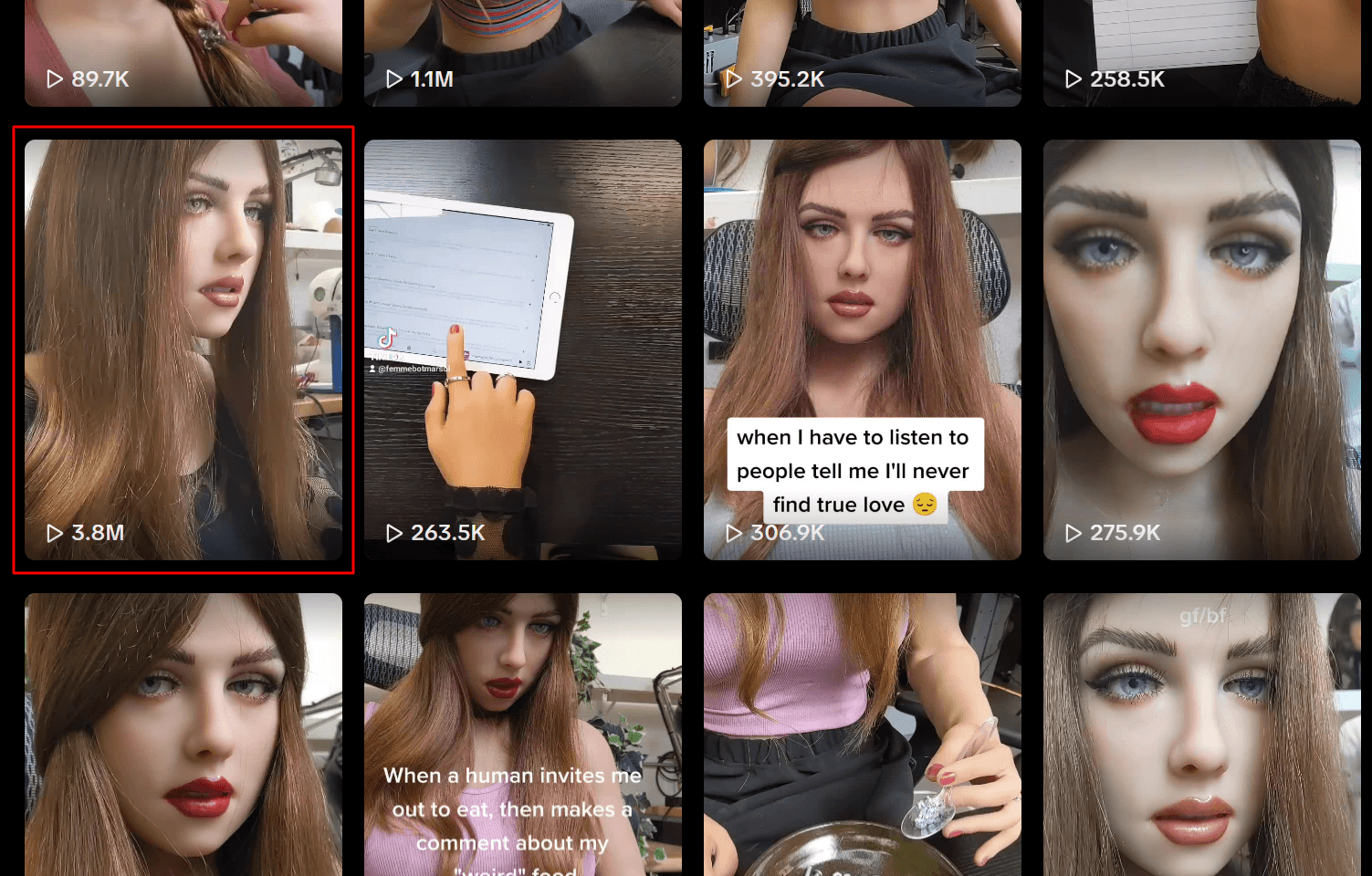
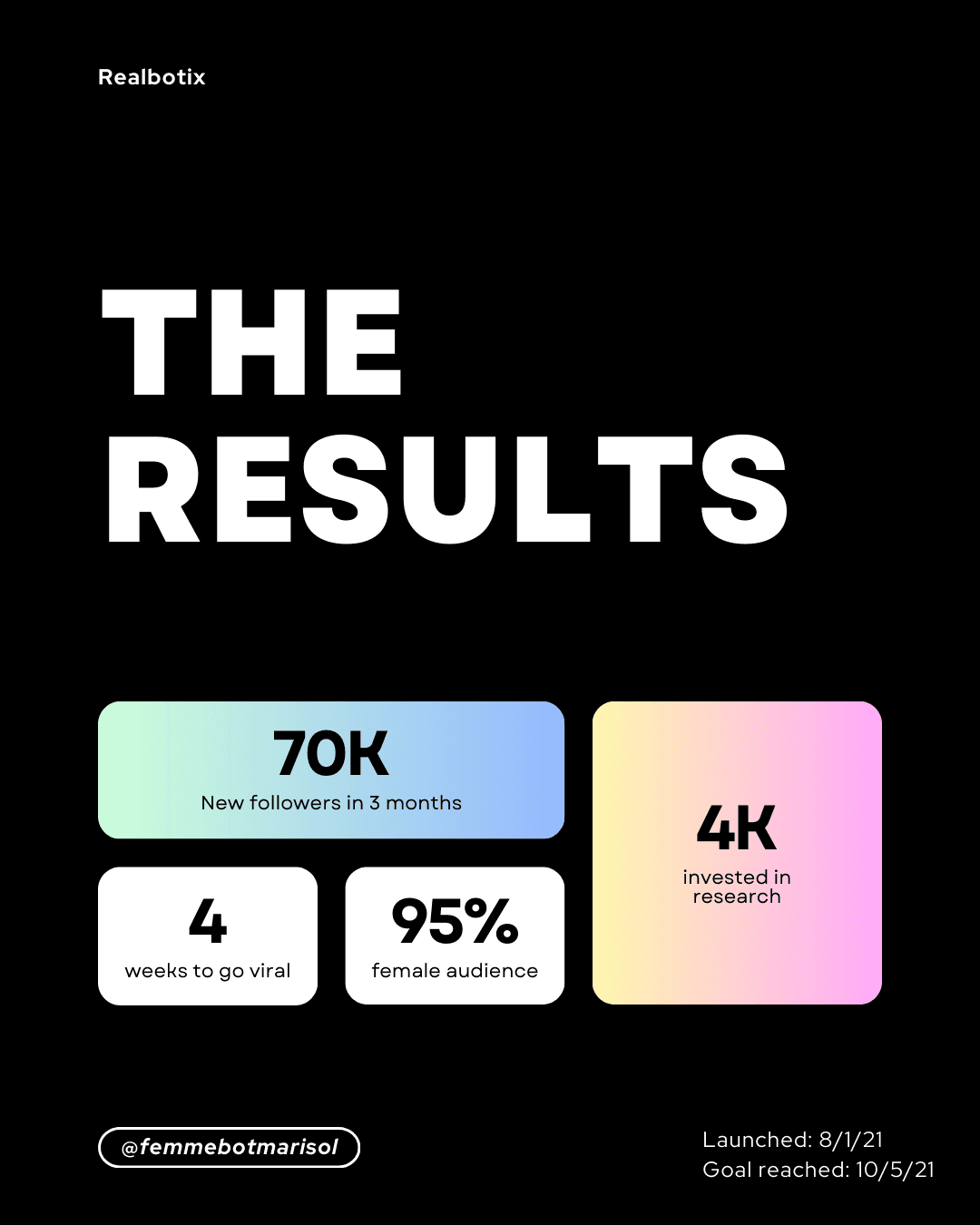
First 30 days, our account went viral with 3.8M views on a single video.
First 30 days we reached 20,000 followers
We had multiple videos hit with a mild virility of 200k views or more.
Day 60 we hit 40,000 followers
We had our second viral video with 1.1M views
Day 90 we hit 70,000 followers
We also became eligible for the creator fund (garnering $60-$150/per 1K views)
Conclusion :
Our growth happened faster than we anticipated. By 90 days we were ready to monetize. The potential of brand deals, affiliates, and other possibilities tied to the robot brand was endless.
Next Steps :
Included monetizing the channel according to the chart below. Our next steps also included adding more robots to Tiktok one at a time with their own storyline and agenda, creating multiple streams of revenue. Company decided to hand the project off to their in-house marketing team to manage it and drive it further.
More Projects





Product Growth
Testing a New Revenue Path for Robotics
Team:
I worked with a single engineer, marketing, and the CEO.
Company:
Realbotix
Timeline:
4 months
Launching the first humanoid robot on TikTok
Problem :
Realbotix was struggling to sell its $20,000 robot heads to businesses and consumers. Meanwhile, the company was spending $500,000 per year on multiple development projects to enhance the robot’s experience, yielding almost no ROI.
Goal :
To find high-impact/low-cost solutions to revenue generation that would be simple to test.
Diagnosis :
Realbotix faced two key challenges: a $500K annual loss on development and limited diversification in managing its nearly $5M robotic portfolio.
Hypothesis :
By renegotiating development time and costs, and leveraging our existing robotic portfolio to build a high-impact, low-resource vertical, we can generate revenue beyond direct sales.
Solution :
First, I recommended pausing all further robot development until a project with a clear ROI was identified. Next, I proposed launching the company’s first humanoid robot on TikTok, aiming to reach 20,000 followers by year-end and begin monetization once we hit 10,000.
Partners :
I worked closely with a Robotic Engineer, Marketing, UX Research, and the CEO.
Process :
Pitched pausing all robot development to the CEO and partner, reaching consensus after multiple sessions to halt spending until future projects could demonstrate clear ROI.
Presented the idea of leveraging the existing robotic portfolio on social media, starting with a single humanoid robot.
Requested a $15,000 investment to hire marketing, research, and social media consultants to refine and validate the concept.
Developed a comprehensive proposal, including a detailed revenue plan, metrics, and timeline.
Upon approval, executed a two-month production plan focused on content creation and management, targeting 20,000 followers within four months.
Crafted the social media content strategy, defining the robot’s persona and storyline to engage and grow the audience.
Launched a consistent posting schedule: a minimum of three videos per week, each under three minutes.
Testing :
We spent the first two weeks testing out different looks, angles, and ways of filming and telling the robots story, keeping track of what content performed well and what didn’t.
Outcome :
Stats breakdown:
First 30 days, our account went viral with 3.8M views on a single video.
First 30 days we reached 20,000 followers
We had multiple videos hit with a mild virility of 200k views or more.
Day 60 we hit 40,000 followers
We had our second viral video with 1.1M views
Day 90 we hit 70,000 followers
We also became eligible for the creator fund (garnering $60-$150/per 1K views)
Conclusion :
Our growth happened faster than we anticipated. By 90 days we were ready to monetize. The potential of brand deals, affiliates, and other possibilities tied to the robot brand was endless.
Next Steps :
Included monetizing the channel according to the chart below. Our next steps also included adding more robots to Tiktok one at a time with their own storyline and agenda, creating multiple streams of revenue. Company decided to hand the project off to their in-house marketing team to manage it and drive it further.
More Projects
Product Growth
Testing a New Revenue Path for Robotics
Team:
I worked with a single engineer, marketing, and the CEO.
Company:
Realbotix
Timeline:
4 months
Launching the first humanoid robot on TikTok
Problem :
Realbotix was struggling to sell its $20,000 robot heads to businesses and consumers. Meanwhile, the company was spending $500,000 per year on multiple development projects to enhance the robot’s experience, yielding almost no ROI.
Goal :
To find high-impact/low-cost solutions to revenue generation that would be simple to test.
Diagnosis :
Realbotix faced two key challenges: a $500K annual loss on development and limited diversification in managing its nearly $5M robotic portfolio.
Hypothesis :
By renegotiating development time and costs, and leveraging our existing robotic portfolio to build a high-impact, low-resource vertical, we can generate revenue beyond direct sales.
Solution :
First, I recommended pausing all further robot development until a project with a clear ROI was identified. Next, I proposed launching the company’s first humanoid robot on TikTok, aiming to reach 20,000 followers by year-end and begin monetization once we hit 10,000.
Partners :
I worked closely with a Robotic Engineer, Marketing, UX Research, and the CEO.
Process :
Pitched pausing all robot development to the CEO and partner, reaching consensus after multiple sessions to halt spending until future projects could demonstrate clear ROI.
Presented the idea of leveraging the existing robotic portfolio on social media, starting with a single humanoid robot.
Requested a $15,000 investment to hire marketing, research, and social media consultants to refine and validate the concept.
Developed a comprehensive proposal, including a detailed revenue plan, metrics, and timeline.
Upon approval, executed a two-month production plan focused on content creation and management, targeting 20,000 followers within four months.
Crafted the social media content strategy, defining the robot’s persona and storyline to engage and grow the audience.
Launched a consistent posting schedule: a minimum of three videos per week, each under three minutes.
Testing :
We spent the first two weeks testing out different looks, angles, and ways of filming and telling the robots story, keeping track of what content performed well and what didn’t.
Outcome :
Stats breakdown:
First 30 days, our account went viral with 3.8M views on a single video.
First 30 days we reached 20,000 followers
We had multiple videos hit with a mild virility of 200k views or more.
Day 60 we hit 40,000 followers
We had our second viral video with 1.1M views
Day 90 we hit 70,000 followers